Skip to content
Irish Mountaineering Club IMC, Cumann Sléibhteoireachta na hÉireann
  • Facebook
  • Instagram
Join Now
Book the Hut
Members Login
  • About
    • Introduction
    • Contact Us
    • Documents
      • Constitution
      • Privacy Policy
    • Expeditions
    • Kindred Clubs, Handy Hostels
    • Library
    • People
  • Join
    • Introduction
    • New Membership
  • Blog
    • Article
    • Obituary
    • Review
    • Route Info
    • Training
    • Trip Report: International
    • Trip Report: Ireland
    • Other: Bottom of Home Page
  • Events
    • Introduction
    • Calendar
  • Hut
  • Publications
    • Introduction
    • Books
    • Newsletters
      • 2010-now
      • 2000-2009
      • 1990-1999
      • 1980-1989
      • 1970-1979
      • 1960-1969
      • 1950-1959
    • IMC Archive
    • Videos
  • Training
    • Overview
    • Introduction to Trad climbing Programme
Irish Mountaineering Club IMC, Cumann Sléibhteoireachta na hÉireann
  • Log In
  • Join the IMC
  • About
    • Introduction
    • Kindred Clubs, Handy Hostels
    • Library
  • Blog
    • Article
    • Obituary
    • Review
    • Training
    • Important Information
  • Events
    • Introduction
    • Calendar
  • Hut
  • Publications
    • Books
    • Newsletters
      • Newsletters 2010-2018
      • Newsletters 2000-2009
      • Newsletters 1990-1999
      • Newsletters 1980-1989
      • Newsletters 1970-1979
      • Newsletters 1960-1969
      • Newsletters 1950-1959
    • IMC Archive
    • Videos
  • Training
    • Overview
    • Introduction to Trad Climbing Programme 2026
Join Now
Book the Hut
Log in
  • Ticks & Lyme Disease

    Ticks & Lyme Disease

    Lyme disease can be extremely debilitating causing painful joints, low energy levels and a variety of other symptoms, it is not recommended 😫

    Lyme disease is caused by bacterial infection transmitted to humans through the bite of an infected tick, about 5% of ticks in Ireland are thought to carry Lyme disease bacteria. Ticks are particularly prevalent in Glendalough and other areas in Co Wicklow due to the large deer population 🦌 During one glendo club meet in 2023 for instance, out of 50 people, only 2 or 3 weren’t affected by ticks 😳

    You are more likely to get a tick on exposed skin so covering up is recommended, ankles are a particular favourite of the beasties (although they are known to crawl under clothing), ticks will wait patiently on plants, bushes and branches for an animal or human to brush against it. They can look as small as a speck of dust before they start feeding, the magnifier on your phone may help to identify them

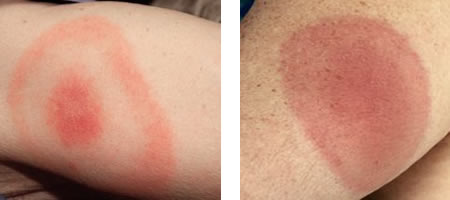
    It is best to remove ticks within the first 24 hours as they pass the disease during feeding with a higher risk of infection during the 36-72 hour range, so remember to give yourself a thorough inspection after being outdoors. Redness around the bite or red bullseye 🎯 circles indicate infection & ideally you should seek treatment (doxycycline antibiotics) within 72 hours, the earlier the better
    It is recommended that Ticks are removed using tweezers by gripping the head or with a tick removal tool, any other method (covering with vaseline, putting underwater, burning with cigarette etc) will likely result in them regurgitating bacteria into your bloodstream (https://www.ticktalkireland.org/frequently-asked-questions)

    This website has a lot of useful information

    https://www.uptodate.com/contents/what-to-do-after-a-tick-bite-to-prevent-lyme-disease-beyond-the-basics?source=related_link#topicContent

    Other Useful Links:

    https://www.ticktalkireland.org

    https://www.mayoclinic.org/diseases-conditions/lyme-disease/symptoms-causes/syc-20374651

Postal Address

Irish Mountaineering Club
Glendasan
Glendalough
Co. Wicklow
A98 EY91
Ireland

Follow us on Social Media

  • Facebook
  • Instagram

IMC Website

  • Contact Us
  • Introduction
  • Hut